
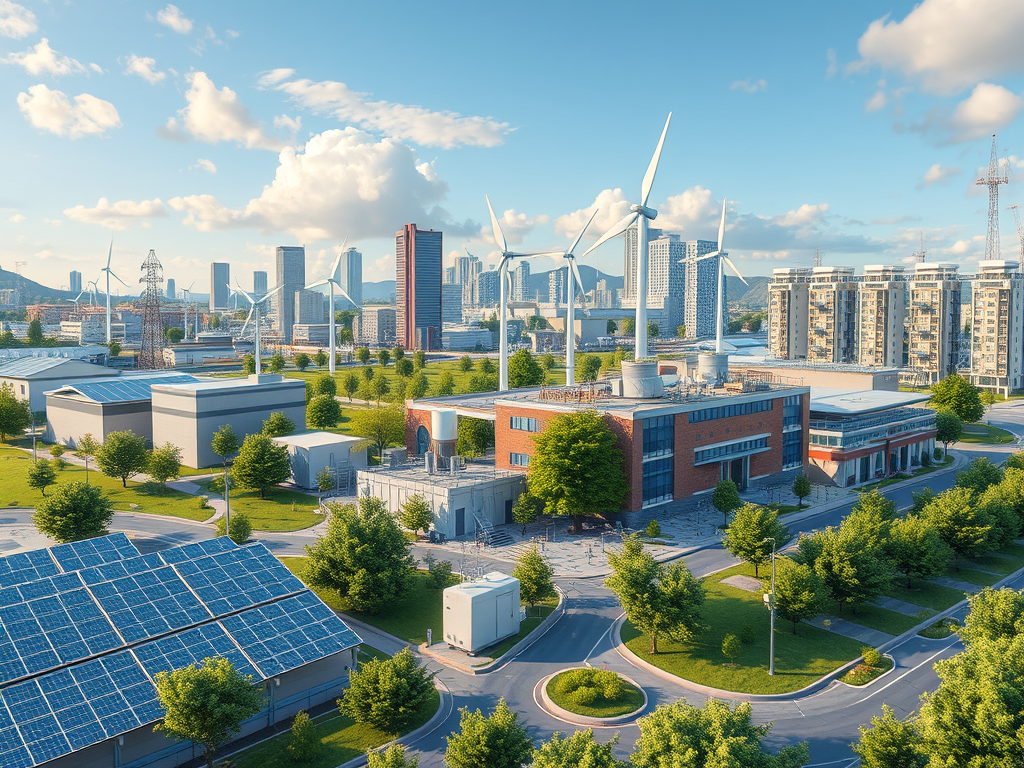
In the quest for sustainable energy, Virtual Power Plants (VPPs) are playing an increasingly significant role. These innovative systems allow for the aggregation of various distributed energy resources (DERs) like solar panels, wind turbines, batteries, and smart appliances. They combine these resources into a cohesive and efficient energy network. Virtual power plant companies are at the forefront of this transformation. They are helping reshape the way we generate, distribute, and consume energy.
This blog post dives into the concept of VPPs, how virtual power plant companies operate, and why they are pivotal in our transition toward cleaner, more efficient energy solutions.
What is a Virtual Power Plant?
A Virtual Power Plant is a network of decentralized, interconnected energy resources controlled and optimized using advanced software platforms. These resources are typically renewable energy sources, such as wind or solar, energy storage systems like batteries, and demand response assets like smart appliances or HVAC systems. VPPs enable the integration of these distributed systems into a unified grid, allowing them to operate as a single power plant.
The primary goal of a VPP is to enhance the reliability, efficiency, and sustainability of the energy grid. By combining resources, VPPs can generate, store, and deliver energy on demand. This offers grid stability and cost savings for both utilities and consumers.
How Do Virtual Power Plants Work?
Virtual power plants leverage sophisticated software algorithms, sensors, and communication tools to monitor and control energy generation and consumption. Here’s how they work:
1. Aggregation of Distributed Energy Resources (DERs)
VPPs gather energy from multiple small-scale energy producers and consumers, such as:
- Solar panels
- Wind turbines
- Energy storage systems (batteries)
- Demand-side management (smart home devices and appliances)
2. Centralized Control and Optimization
The VPP’s software platform constantly monitors the energy production and consumption from each DER. It analyzes real-time data to forecast demand, optimize generation, and balance the load across the network. Additionally, it can make adjustments based on weather forecasts, grid conditions, and user behavior.
3. Energy Trading and Grid Support
VPPs can interact with the energy market and grid operators. They can sell excess energy back to the grid during times of high demand. They also help stabilize the grid by providing power when needed most. In return, VPPs earn incentives or revenue, which can be passed on to participants.
4. Demand Response and Flexibility
A key feature of VPPs is demand response (DR). By adjusting the energy consumption patterns of connected devices, VPPs can help manage periods of high demand. They also integrate intermittent renewable energy sources like solar and wind. This flexibility reduces reliance on fossil fuels and improves grid resilience.
Key Benefits of Virtual Power Plants
Virtual power plants offer a range of advantages for both energy producers and consumers, as well as the broader energy ecosystem.
1. Increased Grid Stability
VPPs provide a reliable backup source of power for the grid, reducing the risk of blackouts. By aggregating multiple resources and controlling them in real-time, VPPs can ensure a more consistent power supply. This is especially beneficial during peak demand or low supply periods.
2. Cost Savings for Consumers
By enabling consumers to participate in VPPs, homeowners and businesses can save on their energy bills. They can earn incentives for contributing excess energy to the grid or adjusting consumption patterns during high-demand periods. Additionally, VPPs can help optimize energy consumption, reducing waste and lowering costs.
3. Support for Renewable Energy Integration
Virtual power plants are instrumental in accelerating the adoption of renewable energy. They allow for the integration of intermittent renewable sources like solar and wind into the grid without compromising stability. VPPs also help balance supply and demand by storing excess renewable energy in batteries during times of low demand. They release it when needed.
4. Reduced Carbon Footprint
By optimizing the use of renewable energy and reducing reliance on fossil fuels, VPPs contribute significantly to lowering greenhouse gas emissions. This makes them a critical tool in the fight against climate change. They are a key part of the green energy transition.
5. Enhancing Energy Efficiency
VPPs optimize energy generation, storage, and consumption, ensuring that energy is used in the most efficient way possible. This not only helps lower costs but also reduces the environmental impact of energy production.
Leading Virtual Power Plant Companies
Several companies are leading the charge in the virtual power plant industry. They provide cutting-edge software and solutions for energy management and grid optimization. Some of the most notable companies in the field include:
1. NextEra Energy Resources
As one of the largest renewable energy developers in the U.S., NextEra Energy has invested heavily in virtual power plant technology. Their VPP solutions are integrated with a vast array of wind, solar, and battery storage systems. These provide flexibility to the grid while supporting clean energy goals.
2. Enbala Power Networks
Enbala’s Enbala Concerto platform is a leading example of virtual power plant technology. The software aggregates distributed energy resources to create a flexible, responsive grid, supporting both renewable energy integration and grid stability. Enbala’s VPPs are used by utilities and large energy producers across North America and Europe.
3. Siemens
Siemens offers a range of virtual power plant solutions designed to enhance grid stability, integrate renewable energy, and optimize energy consumption. With their Spectrum Power platform, Siemens helps utilities manage VPPs at scale. This improves the efficiency and reliability of power distribution networks.
4. GoBien
GoBien is a trailblazer in the VPP space, offering innovative solutions that focus on optimizing both energy production and consumption for smart cities and businesses. With their unique approach, GoBien connects businesses, utilities, and consumers to create a sustainable, low-cost energy future. Their software allows for seamless integration of renewable energy sources, battery storage systems, and demand response management. This provides a robust foundation for building the future of energy.
For more information on GoBien’s cutting-edge virtual power plant solutions, visit www.gobien.com.
The Future of Virtual Power Plants
The future of virtual power plants looks incredibly promising. Advancements in AI, machine learning, and smart grid technologies are paving the way for more sophisticated and efficient energy systems. As more countries and companies prioritize sustainability, the demand for VPPs will likely increase. This will create new opportunities for businesses, consumers, and utilities alike.
Here are some trends we can expect to see:
- Integration with Smart Cities: As smart cities expand, VPPs will play a crucial role in managing distributed energy resources. They will help cities become more energy-efficient and resilient.
- Blockchain for Energy Trading: Blockchain technology may facilitate peer-to-peer energy trading. This will allow consumers to directly sell excess energy to one another within a VPP framework.
- Energy as a Service: The rise of Energy-as-a-Service (EaaS) platforms will make it easier for consumers and businesses to access VPP services. They won’t need to invest in the underlying infrastructure.
Conclusion
Virtual power plants represent a revolutionary shift in the way we generate, consume, and manage energy. By aggregating distributed energy resources and optimizing their use, VPPs provide numerous benefits. These include enhanced grid stability, cost savings, and support for renewable energy integration. Virtual power plant companies are playing a pivotal role in this transition. They help create a cleaner, more sustainable energy future.
If you’re looking to learn more about how virtual power plants can help your business or community thrive, consider exploring the solutions provided by GoBien. Visit www.gobien.com to discover how they can help you build a smarter, more energy-efficient future.